It’s easy to assume that needing less sleep is simply part of getting older. After all, plenty of older adults find themselves waking earlier, sleeping more lightly, or staring at the clock at 4:30 a.m. wondering whether it’s too early to make coffee.
But needing less sleep and having a harder time getting good sleep aren’t the same thing.
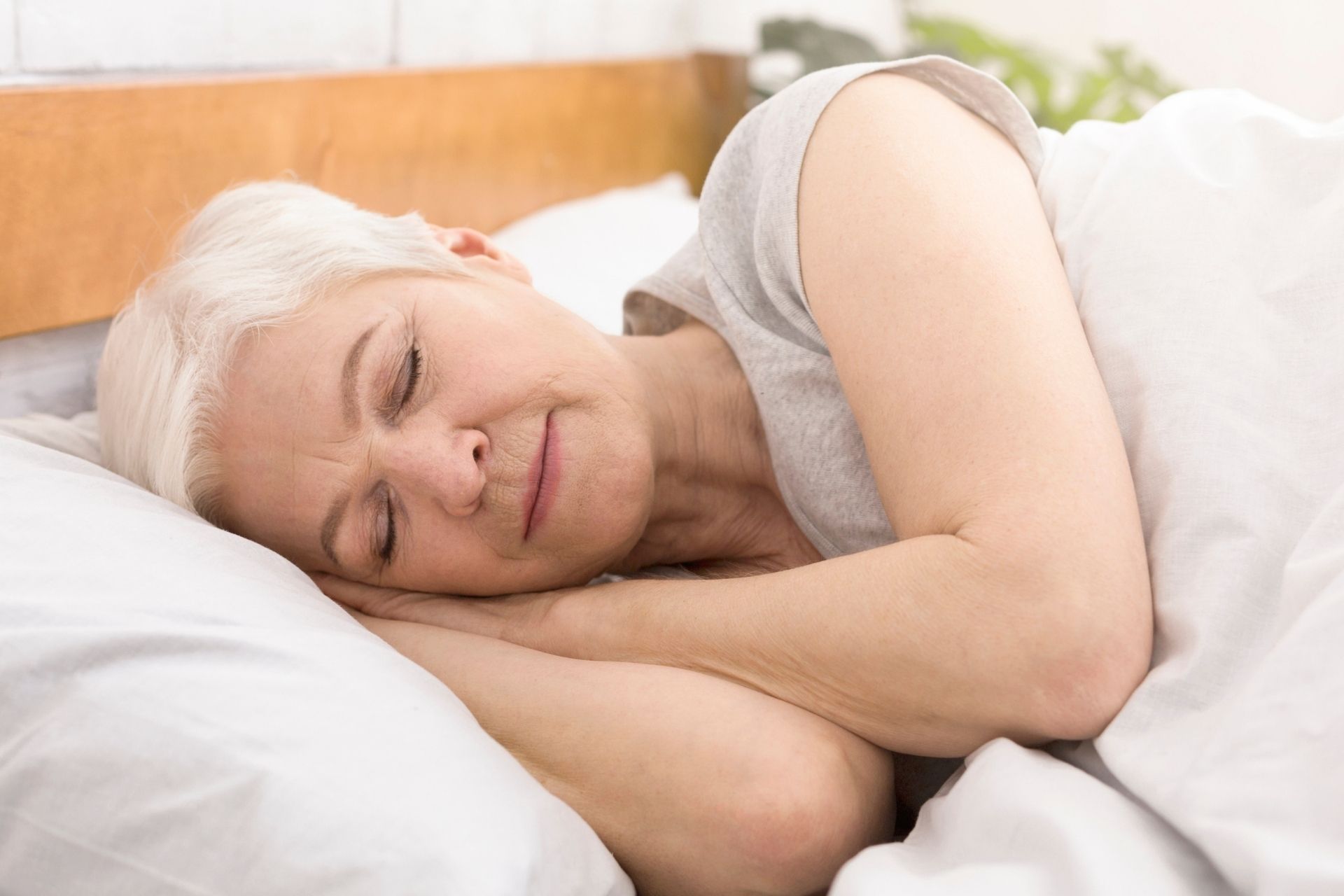
So, how much sleep do seniors need? Older adults generally need about seven to nine hours of sleep each night, roughly the same amount recommended for other adults. What often changes with age, however, is how that sleep happens.
Do Older People Need Less Sleep?
Not necessarily. The idea that seniors can thrive on four or five hours of sleep is a common misconception. The National Institute on Aging specifically notes that older adults still need seven to nine hours, even though sleep quality and quantity may decline with age.
That means regularly sleeping four or five hours isn’t automatically “normal for your age.”
There’s also an important difference between time in bed and good-quality sleep. Someone might spend eight hours in bed but wake repeatedly throughout the night, making the experience feel very different from eight uninterrupted hours.
How Does Sleep Change With Age?
You may notice that sleep becomes lighter or more fragmented as you get older. Falling asleep can take longer, nighttime waking may become more common, and you may find yourself waking earlier in the morning than you once did.
Middle-aged and older adults often sleep less deeply and wake more frequently during the night. But other factors can interfere with sleep, too. Medications, pain, sleep apnea, insomnia, nighttime bathroom trips, and changes in daily routines can all make it harder to get enough uninterrupted rest.
That doesn’t mean poor sleep should simply be accepted as part of aging. If sleep problems are persistent or are leaving you exhausted during the day, they’re worth discussing with your healthcare provider.
Why Can Fall Throw Off Your Sleep Routine?
Fall changes more than the leaves. October brings rapidly shortening days, earlier sunsets, and an approaching return to standard time in November. Since light is one of the signals your body uses to regulate its internal clock, changes in when you’re exposed to daylight can affect when you feel sleepy and alert. The American Academy of Sleep Medicine notes that seasonal clock changes can disrupt sleep-wake patterns for several days.
That makes fall a good time to pay closer attention to your routine. If you’re suddenly getting sleepy much earlier in the evening or waking before you’d like, changes in daylight may be playing a role.
What Are Some Good Sleep Habits for Older Adults?
You don’t need to turn bedtime into an elaborate production. Consistency is usually a far more important variable here.
The best advice? Keep a regular sleep schedule and bedtime routine, avoid late-afternoon or evening naps, keep your bedroom quiet and comfortable, exercise regularly, and limit caffeine, alcohol, and large meals late in the day.
Getting natural light earlier in the day can also help support your daily sleep-wake rhythm. A morning walk, time outside with friends, or simply making daylight part of your routine can be especially helpful as the days shorten.
Most importantly, pay attention to how you feel. Waking exhausted on a regular basis, struggling to stay awake during the day, or experiencing an ongoing change in your sleep is a good reason to talk with a healthcare professional rather than simply assuming it comes with age.
Make Rest Part of a Healthy Fall Routine in Hillsboro
Good sleep supports the things you want to have energy for during the day, from exercise and hobbies to meals, outings, and time with friends.
At MorningStar Senior Living of Hillsboro, our residents enjoy an independent living lifestyle with opportunities to stay active, connected, and engaged throughout the changing seasons.
Establishing a comfortable daily rhythm, including enough time for rest, is another important part of feeling your best. As fall settles into Hillsboro, it’s a good time to check in with your sleep routine and make sure shorter days aren’t cutting your nights short.