Compared to other parts of the country, summers in Hillsboro often feel relatively mild. Temperatures may not regularly reach triple digits, but even moderate heat can create serious health risks for older adults, particularly seniors living alone.
Many older homes and apartments in the Pacific Northwest were built for cooler weather and do not have strong air conditioning or heat-management features, which can make warm stretches feel much more intense indoors. Recent Oregon summers have also reminded many families that heat-related illness can become serious quickly, even in regions not typically known for extreme temperatures.
Dehydration and heat-related illness are among the most overlooked summer safety concerns for aging adults. The danger isn’t always dramatic or immediate, either. In many cases, symptoms build gradually over several days and are mistaken for normal fatigue, aging, or medication side effects.
At independent living communities like MorningStar of Hillsboro, summer wellness often comes down to maintaining consistent routines and access to supportive daily environments that help residents stay safe without sacrificing independence.
Why Seniors Are More Vulnerable to Heat and Dehydration
As the body ages, it becomes less efficient at regulating temperature and recognizing thirst. Many older adults simply do not feel thirsty until dehydration is already
developing.
Certain medications can increase the risk even further, including:
- Blood pressure medications
- Diuretics
- Medications for heart conditions
- Some antidepressants
At the same time, many seniors unintentionally drink less water because they want to avoid nighttime bathroom trips or simply forget to hydrate consistently throughout the day.
Even in Oregon’s relatively moderate climate, warmer afternoons, direct sun exposure, and increased summer activity can place extra strain on the body.
The Early Warning Signs of Dehydration
One reason dehydration becomes dangerous so quickly is that the symptoms can initially appear subtle.
Early signs may include dizziness, headaches, unusual fatigue, dry mouth, muscle weakness, dark-colored urine, and loss of balance. Behavioral changes, like confusion and irritability, are also common.
Families may dismiss these changes as simple fatigue or an ‘off’ day. In reality, the body may already be struggling to maintain proper fluid balance.
Heat can also place additional stress on the cardiovascular system. For older adults with heart disease, respiratory conditions, or mobility challenges, even mild dehydration can escalate into more serious medical concerns.
Why Living Alone Increases Summer Safety Risks
Living independently offers freedom, familiarity, and privacy, but it can also make it easier for subtle health concerns to slip under the radar.
During the summer, small habits and routines can shift in ways that increase risk. An older adult may avoid turning on the air conditioning because of energy costs, spend too much time gardening during the hottest part of the afternoon, or gradually start drinking less water without realizing the impact.
When someone lives alone, those changes often go unnoticed for longer. There may not be anyone nearby to recognize increasing fatigue, dizziness, confusion, or other early signs of dehydration until symptoms become more serious.
Even socially active seniors can become more isolated during stretches of hot weather, especially if leaving the house starts to feel physically draining.
Simple Summer Hydration Tips for Older Adults
Preventing dehydration often comes down to consistent daily habits: keeping a water bottle nearby, drinking water with meals, closing blinds during peak afternoon heat, and planning walks or outdoor activities earlier in the day. Lightweight clothing, regular meals, hydrating foods, and cooler indoor spaces also help the body regulate heat more effectively
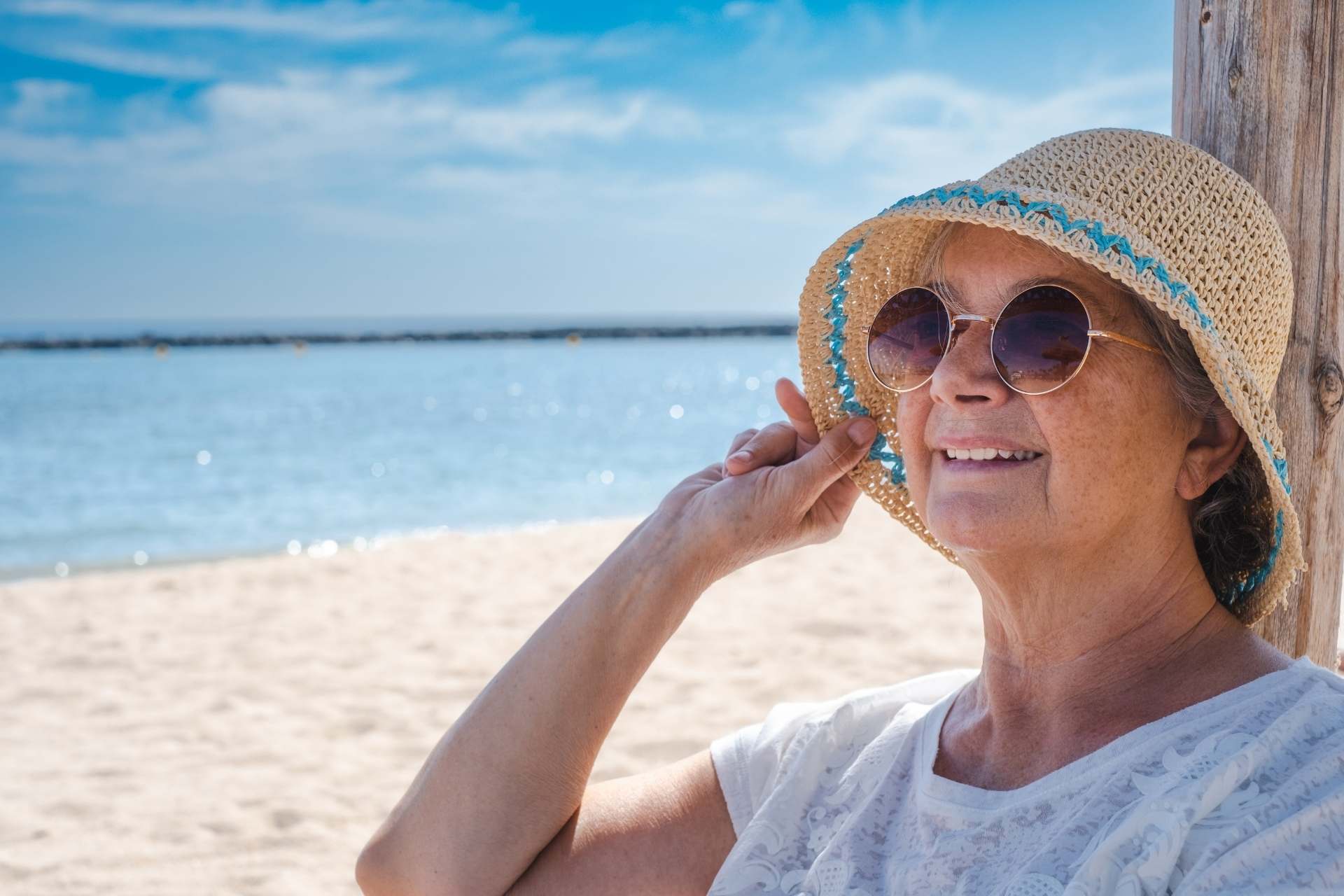
Whether it’s walking trails at Noble Woods Park, browsing the Hillsboro Farmers’ Market, or spending time outdoors with family, summer remains an active season for many older adults in Washington County. Staying active is indeed an important part of healthy aging, but you need to have routines and support systems in place that make those activities easier to enjoy safely.
How Independent Living Communities Help Support Summer Wellness
At MorningStar of Hillsboro, independent living is designed to support both freedom and everyday wellness. Our residents maintain their own routines, social lives, and sense of independence while benefiting from an environment built to make daily life easier and more comfortable year-round, especially during the summer months.
During the summer, practical day-to-day details start making a bigger difference. Having air-conditioned common spaces to cool down in, regular meals already prepared, easy access to cold water throughout the day, and activities that keep residents moving without spending hours in the heat can all help reduce the risk of dehydration and heat exhaustion.
Just being around other people more consistently helps, too.
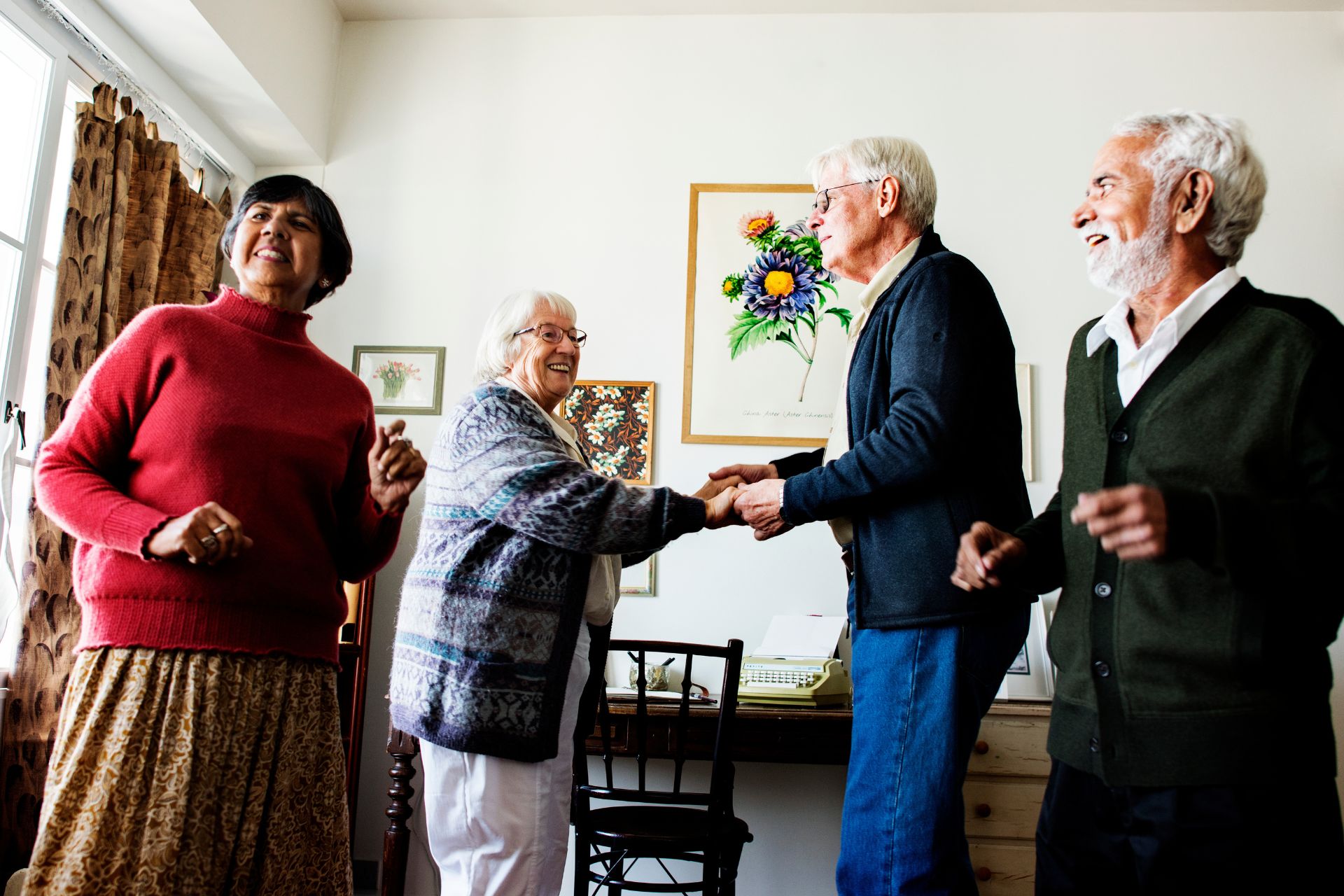
Our residents are naturally seeing neighbors at meals, stopping to chat during activities, or interacting with team members throughout the day instead of spending long stretches alone at home. That makes it easier to notice when someone suddenly seems unusually tired, dizzy, unsteady, or less social than normal. In other words, problems that might go unnoticed for several days while living alone are often recognized much earlier in a community setting.
If you or a loved one are exploring independent living options in Hillsboro, MorningStar of Hillsboro offers a community designed to support both independence and everyday well-being through every season of life.